
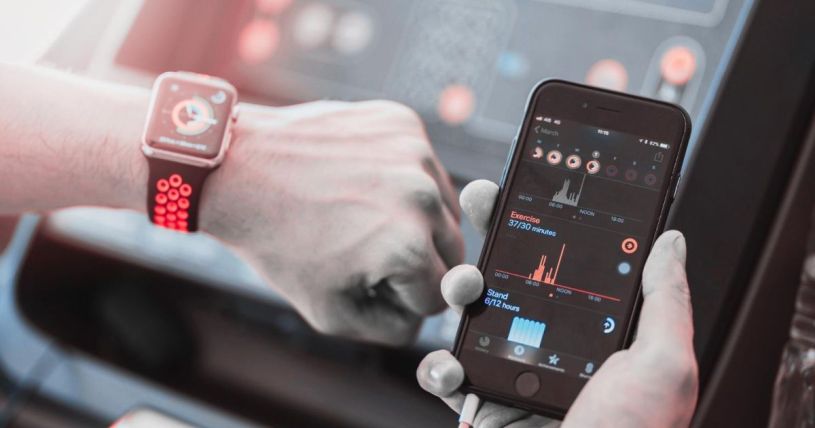
Decentralized clinical trials are revolutionizing the research landscape, offering increased accessibility and flexibility for participants. One of the key components driving the success of decentralized trials is the integration of wearable technology. Wearable technology plays a pivotal role in these trials, enabling remote monitoring and data collection. This blog post will explore the impact of wearable technology in decentralized trials and its potential to shape the future of clinical research.
The role of wearable technology
Wearable technology, such as smartwatches and fitness trackers, provides CROs like Veristat with a seamless means of capturing real-time health data from participants during decentralized clinical trials. These devices are equipped with advanced sensors that can monitor vital signs, physical activity, sleep patterns, and other relevant health metrics. By leveraging wearable technology, researchers can gather a wealth of continuous, high-quality data without the limitations of conventional in-person visits.
There are several benefits to using wearable technology to collect patient data in a real-world setting, such as:
Enhanced data accuracy and quality
The utilization of wearable technology in virtual clinical trials ensures a higher level of data accuracy and quality. Participants can go about their daily routines while the wearable devices passively collect pertinent health information. This continuous and unobtrusive data collection leads to a more comprehensive understanding of the participant’s health status and behavior patterns, ultimately contributing to improved research outcomes.
Expanded data types
Wearable technology can capture a wide range of data beyond traditional clinical measurements. For example, wearables with sensors can detect gait abnormalities, tremors, or other movement-related information in patients with neurological conditions. This expanded dataset provides a more comprehensive understanding of patient health and treatment outcomes. It also allows for these data types to be captured in a more natural environment; for example, in a sleep trial, you are likely to get more natural and realistic data as patients are sleeping in the comfort of their own homes, whereas sleep clinics may not generate as accurate data due to the unfamiliar settings.
Real-time monitoring and insights
Clinical trials that use wearable devices come with numerous benefits as they gather real-world data (RWD). This means that these technologies enable 24/7 data streaming, which allows for continuous measurement of trial objectives as participants go about their daily routines. Thus, researchers can build better patient health profiles. Also, the real-time monitoring capability allows researchers to gain valuable insights into the immediate effects of interventions and treatments. Furthermore, it allows for the early detection of adverse events, ultimately enhancing participant safety and the overall integrity of the trial.
Improved patient centricity
Improving patient-centricity in healthcare involves prioritizing the needs and experiences of patients throughout the entire care process. This includes enhancing communication, providing easier access to information and resources, involving patients in decision-making, and personalizing care plans to align with individual preferences and values. Wearable devices make it easy to collect data without patients needing to travel, and this eliminates frequent in-person visits. This approach helps increase patient recruitment rates while reducing patient dropout rates. This greatly improves the quality and volume of data available for analysis while ensuring you have enough patients to meet sample size requirements based on the trial design. Ultimately, prioritizing patient-centricity leads to a more positive and effective healthcare experience for patients.
Incorporating wearable technology in decentralized trials represents a pivotal shift in the field of clinical research. The seamless integration of these advanced devices not only improves data accuracy and quality but also empowers participants and researchers alike.
 Magazine Business Blog