
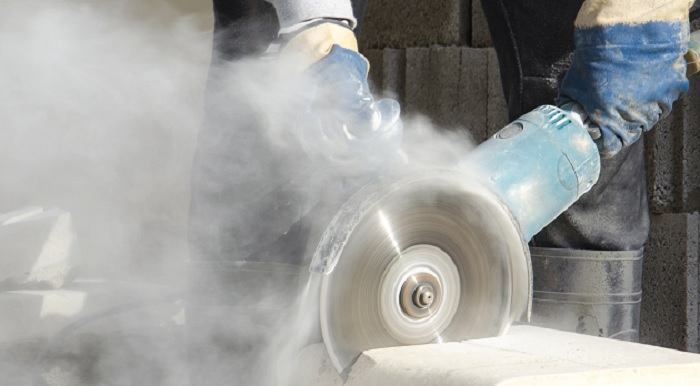
Uncontrolled dust in the workplace can have serious health implications for employees. Inhaling dust particles can cause respiratory issues such as wheezing, coughing, and shortness of breath. What’s more, prolonged exposure to dust can increase the risk of developing chronic conditions like bronchitis or asthma. Additionally, certain types of dust, such as silica or asbestos, can cause long-term damage to the lungs and even lead to cancer. Therefore, employers must implement effective BossTek silica dust control measures and provide proper personal protective equipment to ensure the well-being of their workers.
Understanding the risks
Understanding the risks associated with dust exposure is crucial for both employers and employees. Companies can create safer work environments by educating workers on proper safety protocols and potential health hazards. Regular monitoring of air quality and implementing regular cleaning procedures can also help minimize dust levels and protect employees from harm.
Some of the health risks associated with dust on construction sites include respiratory problems such as asthma and chronic obstructive pulmonary disease (COPD), as well as lung cancer and silicosis. In addition, prolonged exposure to dust can also lead to skin irritation, eye irritation, and allergies. Employers need to provide proper personal protective equipment (PPE), such as masks and goggles, to minimize the risk of dust-related health issues. Regular medical check-ups for workers can also help detect any early signs of dust-related illnesses and ensure timely treatment.
The importance of dust control at construction sites
Dust control on construction sites is crucial for maintaining a safe and healthy work environment. By implementing effective dust control measures, employers can significantly reduce the risk of dust-related health issues among their workers. These measures may include using wet methods to suppress dust, installing ventilation systems, and implementing proper cleaning procedures. By prioritizing dust control, employers not only protect their workers’ health but also comply with occupational safety regulations and avoid potential legal consequences.
Preventing health issues
Preventing health issues caused by dust exposure is not only beneficial for the workers but also improves overall productivity and reduces absenteeism. Additionally, it fosters a positive work culture and demonstrates the employer’s commitment to employee well-being, which can help attract and retain skilled workers.
Ensuring workplace safety
Ensuring workplace safety is a crucial responsibility for employers. By implementing proper cleaning procedures, employers can minimize the risk of accidents and injuries caused by dust accumulation. This not only protects the well-being of their employees but also creates a safe and secure work environment that promotes productivity and efficiency.
It helps improve productivity.
Dust control on construction sites helps improve productivity by reducing the number of workplace accidents and injuries. This then allows employees to focus on their tasks without fear or distraction. This ultimately leads to higher output and better overall performance for the company. Additionally, a safe and secure work environment can also boost employee morale and motivation. Thus leading to increased engagement and dedication to their work. Furthermore, it fosters a positive company culture and enhances employee satisfaction.
All-in-all, prioritizing a safe and secure work environment not only improves productivity by reducing accidents and injuries but also enhances employee morale and motivation. This ultimately leads to higher output and better overall performance for the company.
 Magazine Business Blog