
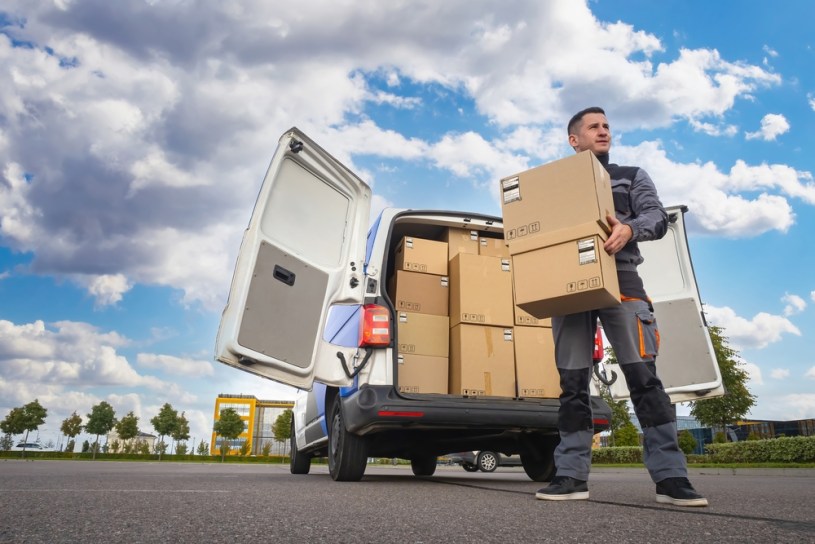
Operating as a courier in Australia offers flexibility and opportunity, but it also comes with significant responsibilities. Beyond navigating traffic and meeting tight delivery schedules, protecting your business, your vehicle, and yourself is paramount. This is where courier insurance becomes indispensable. It’s not just a safeguard; it’s a fundamental pillar for any professional delivery driver or logistics business.
Many drivers mistakenly believe their standard personal car insurance will cover them for commercial delivery work. This is a common and potentially costly misconception. Personal policies almost universally exclude activities where you are paid for transporting goods. Without the right coverage, a single accident or incident could lead to devastating financial losses, putting your livelihood and future at risk.
This comprehensive guide will walk you through the complexities of courier insurance in Australia, highlighting the essential types of coverage, key requirements, and factors that influence your premiums. Our aim is to equip you with the knowledge to make informed decisions and secure the protection you need to operate with confidence.
What is Courier Insurance?
Courier insurance, sometimes referred to as parcel delivery insurance or goods in transit insurance, is a specialised type of commercial insurance designed for individuals and businesses that transport goods for a fee. It provides financial protection against risks inherent in the delivery business, such as accidents, theft, damage to goods, and liability claims.
Unlike standard car insurance, courier policies are specifically tailored to the unique risks associated with commercial driving, frequent stops, varied cargo, and the potential for liability claims from clients or the public. It acknowledges that your vehicle is a tool for your business, and therefore, requires a different level of protection.
The scope of cover can vary widely, from basic third-party property damage to comprehensive policies that protect your vehicle, the goods you carry, and your income if an incident prevents you from working. Understanding these distinctions is crucial for selecting a policy that aligns with your specific operational needs and risk exposure.
Who Needs Courier Insurance?
If you get paid to pick up and deliver goods, parcels, food, or any items from one location to another, you most likely need courier insurance. This applies to a broad spectrum of drivers and businesses, regardless of scale. Consider the following scenarios:
- Independent Contractors: Drivers working for food delivery platforms (e.g., Uber Eats, DoorDash, Menulog), parcel delivery services (e.g., Amazon Flex, Aramex, Sendle), or local same-day delivery apps. Your personal car insurance will not cover you during these activities.
- Small Businesses: Owners of small courier or delivery businesses with one or multiple vehicles. Protecting your fleet and your cargo is vital for business continuity.
- Freight and Logistics Companies: Larger operations that transport a high volume of goods, often requiring more complex coverage including marine cargo for international movements or extensive fleet policies.
Essentially, if your vehicle is being used for commercial purposes involving the transportation of goods, securing appropriate courier insurance is not just recommended, it’s often a legal and contractual necessity.
Key Types of Courier Insurance Coverage
A robust courier insurance policy typically comprises several distinct components, each addressing a particular aspect of risk. Understanding these will help you build a policy that offers comprehensive protection.
Goods in Transit Insurance
This is arguably the most critical component for any courier. Goods in Transit insurance protects the items you are transporting against loss, damage, or theft while they are under your care. This includes during loading, unloading, and transit. Coverage typically applies to accidents, fire, theft, and sometimes even delays. The sum insured should reflect the maximum value of goods you might carry at any one time.
Public Liability Insurance
Public Liability insurance is essential for any business interacting with the public. For couriers, it covers claims made against you for injury to a third party or damage to their property that occurs as a direct result of your business activities. For example, if you accidentally damage a client’s property while delivering a parcel or if someone trips over your delivery trolley. This coverage provides vital financial protection against potentially crippling legal costs and compensation payouts.
Commercial Vehicle Insurance
Your vehicle is your primary tool. Commercial Vehicle insurance provides cover for your delivery van, car, or truck, specifically when used for business purposes. This can range from Third Party Property Damage, which covers damage you cause to other vehicles or property, up to Comprehensive cover, which also protects your own vehicle against damage, theft, fire, and vandalism. It’s crucial to declare your vehicle’s use as commercial to ensure your policy remains valid.
Personal Accident and Illness Insurance
As an independent courier, you don’t have access to employee benefits like sick leave or workers’ compensation. Personal Accident and Illness insurance can provide a vital financial safety net if you are unable to work due to an injury or illness. It offers a weekly benefit or a lump sum payout, helping you cover living expenses and maintain your financial stability during recovery.
Business Interruption Insurance
If a major incident, such as a serious accident to your vehicle or a fire at your business premises (if applicable), prevents you from operating, Business Interruption insurance can cover your lost income and ongoing fixed costs. This helps your business recover and continue operating after a significant disruption, bridging the gap until you can resume normal service.
Marine Cargo Insurance
While often associated with international shipping, Marine Cargo insurance can also be relevant for couriers involved in transporting goods across significant waterways within Australia, or for those whose operations are part of a larger supply chain involving sea freight. It specifically covers goods during their journey by sea, or sometimes by air, protecting against perils like sinking, capsizing, collision, or jettison.
Courier Insurance Requirements Every Australian Driver Should Know
Understanding the specific requirements for courier insurance in Australia is critical, not just for compliance but for adequate protection. These requirements can stem from legal obligations, contractual agreements, and the practicalities of your operation.
Legal Obligations
In Australia, all registered vehicles must have Compulsory Third Party (CTP) insurance, also known as ‘green slip’ in NSW. This covers personal injury to others in an accident where you are at fault. However, CTP does not cover property damage or commercial activities. Beyond CTP, there isn’t a single federal law dictating specific commercial vehicle insurance for couriers, but state and territory regulations regarding vehicle registration and roadworthiness must be adhered to. Failure to inform your insurer of commercial use can lead to policy invalidation.
Contractual Requirements
Many companies that engage couriers on a contract basis will mandate specific insurance coverages and minimum levels of protection. For instance, food delivery platforms often require you to have at least Third Party Property Damage insurance for your vehicle and may also recommend or require Public Liability. Larger logistics firms might stipulate higher Public Liability limits and comprehensive Goods in Transit coverage. Always thoroughly review your service agreements to understand these contractual insurance requirements.
Vehicle-Specific Needs
The type of vehicle you operate significantly impacts your insurance needs and premiums. A small sedan used for food delivery will have different requirements than a large van or truck used for furniture removal. Factors like the vehicle’s make, model, age, modifications, and its Gross Vehicle Mass (GVM) can all influence policy specifics. If you transport dangerous goods, additional endorsements or specialised policies will be necessary. It is crucial to accurately disclose all vehicle details to your insurer.
Meeting these requirements ensures you are not only compliant but also adequately protected against the numerous risks inherent in the fast-paced world of courier services. It is always wise to consult with an insurance professional to ensure all bases are covered.
Factors Influencing Courier Insurance Costs
The premium you pay for your courier insurance is not arbitrary. Several factors are considered by insurers when calculating your quote, reflecting the level of risk they are underwriting. Understanding these can help you manage your costs.
- Type of Goods Transported: High-value, fragile, or hazardous goods typically attract higher premiums due to increased risk of claims.
- Distance and Area of Operation: Couriers operating over long distances or in high-crime urban areas may face higher premiums than those with limited, local routes.
- Vehicle Type and Value: More expensive, powerful, or specially modified vehicles generally cost more to insure. Vehicle age and security features also play a role.
- Claims History: A history of claims, particularly at-fault accidents, will almost certainly lead to higher premiums. A clean driving record is highly beneficial.
- Driver Experience and Age: Less experienced or younger drivers are often considered higher risk and may face increased costs.
- Level of Coverage: Comprehensive policies with higher sum insured limits and extensive add-ons will naturally be more expensive than basic third-party cover.
- Excess Amount: Choosing a higher excess (the amount you pay upfront for a claim) can often lower your annual premium, but ensure it’s an amount you can comfortably afford.
By understanding these factors, you can explore ways to mitigate risks and potentially reduce your insurance expenditure without compromising essential coverage.
Choosing the Right Courier Insurance Policy
Selecting the right courier insurance policy is a critical business decision. It involves more than just finding the cheapest premium; it’s about securing comprehensive protection that aligns with your specific operational risks and budget.
For any individual or business involved in the vital work of parcel and food delivery across Australia, robust courier insurance is not merely an option; it’s a fundamental requirement. From protecting your vehicle and the goods you transport to safeguarding against public liability claims and ensuring your income during unforeseen circumstances, the right policy provides comprehensive peace of mind.
Understanding the various types of coverage, acknowledging legal and contractual obligations, and actively managing the factors that influence your premiums are all crucial steps in building a resilient and secure courier operation. Don’t let a moment of oversight compromise your hard work and financial stability.
Invest the time to assess your unique needs, compare comprehensive quotes, and clarify all policy details. With the correct courier insurance in place, you can focus on what you do best: delivering excellence across Australia’s roads, knowing you are properly protected against the unexpected.
Frequently Asked Questions About Courier Insurance
What is the difference between personal car insurance and courier insurance?
Personal car insurance covers your vehicle for private, non-commercial use. Courier insurance is a specialised commercial policy designed to cover vehicles used for paid delivery of goods, encompassing unique risks like goods in transit, increased mileage, and commercial liability, which are typically excluded from personal policies.
Is courier insurance mandatory in Australia?
While specific national laws don’t mandate commercial vehicle insurance beyond Compulsory Third Party (CTP) for personal injury, most companies that hire couriers will contractually require you to hold specific types and levels of courier insurance, such as Third Party Property Damage and Public Liability. Operating without adequate cover for commercial activities leaves you exposed to significant financial risk.
Does my CTP insurance cover me for courier work?
No, CTP (Compulsory Third Party) insurance only covers personal injury to others if you are at fault in an accident. It does not cover damage to vehicles (yours or others), damage to goods you are transporting, or other liabilities arising from your commercial delivery activities. You need separate commercial vehicle insurance for these aspects.
What is “Goods in Transit” insurance?
Goods in Transit insurance specifically covers the parcels, goods, or items you are delivering against loss, damage, or theft while they are being transported in your vehicle or under your care (e.g., during loading or unloading). It’s a crucial component of any robust courier insurance policy.
How can I reduce my courier insurance premiums?
You can potentially reduce your premiums by maintaining a clean driving record, installing vehicle security features, opting for a higher policy excess, bundling multiple insurance policies with one provider, or paying your premium annually instead of monthly. Shopping around and comparing quotes from different insurers is also highly recommended.

